From the archive record
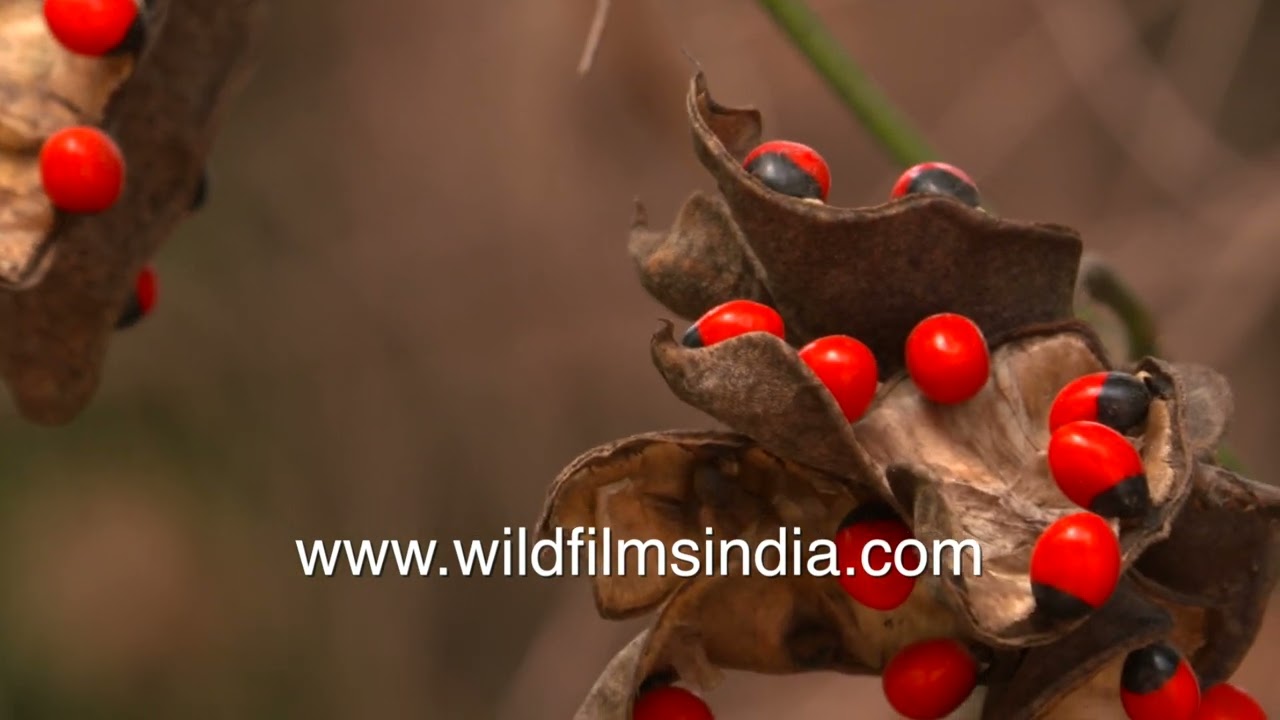
A mature seed pod of the Indian lotus (Nelumbo nucifera), commonly known as Bhartiya Kamal, is shown in close view. The pod contains multiple round seed cavities arranged in a structured pattern. The seeds are embedded in firm receptacles, an adaptation that allows long-term viability under dry conditions. The structure is positioned above or near the water surface of a pond habitat. As the pod matures, seeds are gradually released into the surrounding water. The scene highlights reproductive structures and dispersal mechanisms of this aquatic plant species. The lotus seed pod can be a cause of trypophobia.